

Harper Finn Unpacks His Debut Album Silo Park
Following the release of his debut album Silo Park, New Zealand singer-songwriter Harper Finn steps into a new chapter defined by reflection, reinvention, and resilience. Written during a cold New York winter and recorded in the quiet calm of upstate New York, the album captures both the chaos and the clarity of finding yourself far from home. Speaking with Temper, Finn opens up about the making of Silo Park. From the isolation that fueLled his songwriting to the creative freedom found in collaboration. He reflects on the process of learning to let go, the influence of New York City’s energy, and the surreal experience of bringing his music to life on tour.
WORDS: SAVANNAH GALLIMORE
PHOTOGRAPHY: ELISE ABOTOMEY
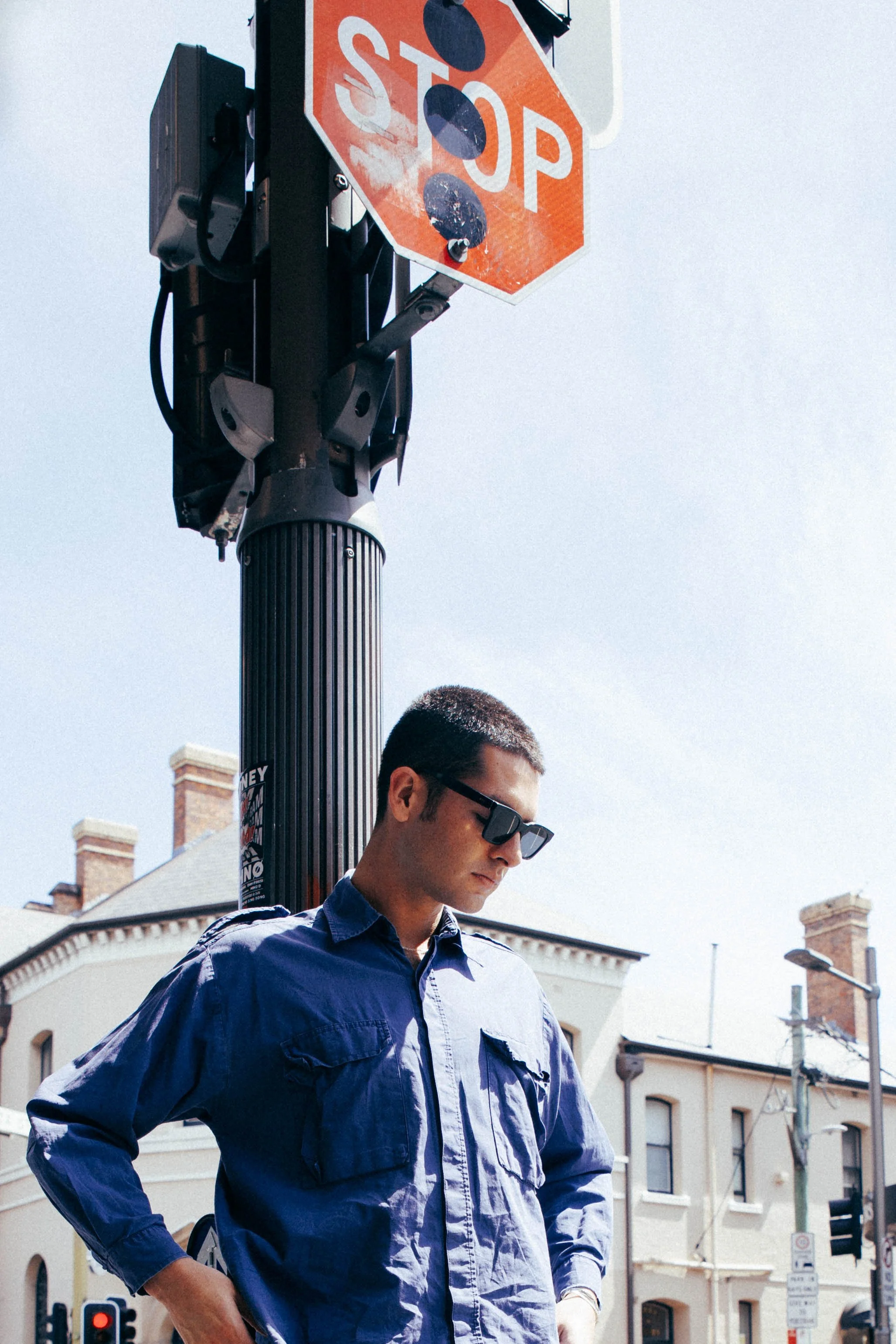
Temper: Silo Park is your debut album. How does it feel to be releasing it into the world?
Harper Finn: There’s a little bit of nerves, excitement, and a lot of eagerness. There’s a point where it just needs to be out, like I’ve been holding onto it for too long, and my arms are starting to hurt. I’m anticipating a lot of relief once the album's out.
T: You recorded this album in upstate New York. Do you feel like the environment influenced the sound of the record?
HF: Definitely. Upstate New York is completely different from the city; it feels like another planet. I wrote the album about New York City, but recording it surrounded by forests and a creek added this really interesting contrast. It is a completely different place, while only being two hours away. You feel like you're on a different planet. The songs were being written in such harsh conditions of the New York City winter, and then working on them in a quiet, peaceful environment created this interesting juxtaposition. It made the record feel like there was a softness, while also being edgy
T: How did working with producer Sam Evon shape the direction of the album?
HF: It shaped the album immensely. This was my first time working with a producer for a full project, so it was uncharted territory. Sam has a really relaxed, methodical approach. He made the process feel natural and effortless, never forced. It wasn’t about long, twelve-hour studio days; it was about letting things flow. He created a space where I felt safe to be vulnerable, which was huge for me.
T: Were the songs written from different parts of your life, or mostly one period?
HF: Predominantly, the latter, about my first year living in New York. Some fragments came from earlier ideas, but the album really came together during one winter spent locked in my apartment. I’d never experienced a Northern Hemisphere winter before, and it was isolating. Everyone I knew was back in New Zealand and Australia, and songwriting became my company. It was important to me that the album was written in a concentrated amount of time, which keeps it cohesive.
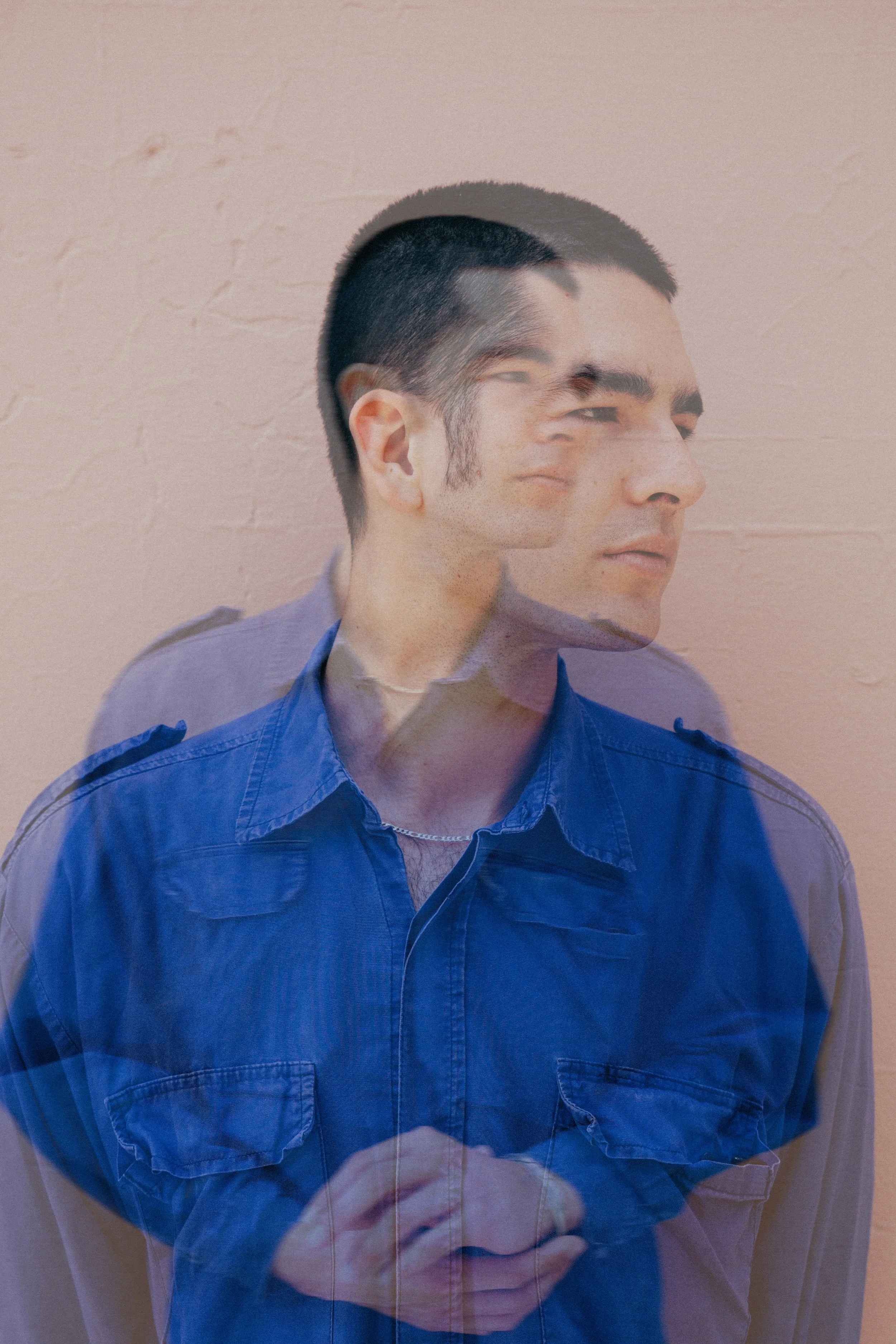
T: What did you learn about yourself as an artist while making this album?
HF: That I like to take my time. I went through several stages of thinking it was done, only to realize it wasn’t. I learned that finishing an album isn’t really about finishing, it’s about letting go. You eventually reach a point where you’ve given it all you can. My producer, Sam, always said it’s like herding cats, you can’t control everything. You just have to let it happen naturally.
T: How did you know when it was finally finished?
HF: When I realised any more changes would just drive me insane. There’s always something you can tweak, but eventually the changes stop improving the record and they just become changes for the sake of change. That’s when I knew it was done.
T: Were there any songs that almost didn't make the album?
HF: Yeah, a couple. One was “Maple”, which is funny because people have told me it’s one of their favourites. It went through so many versions: up-tempo, down-tempo, in between. It just wasn’t clicking until we changed things up at the very end. I re-sang the vocals at home, outside of the studio, and that ended up being the take we used.
T: Do you have a personal favourite song from the album?
HF: It changes, but right now it’s probably “East River”. It’s the more ballad-y, heartbreak song. It just hits differently for me at the moment.

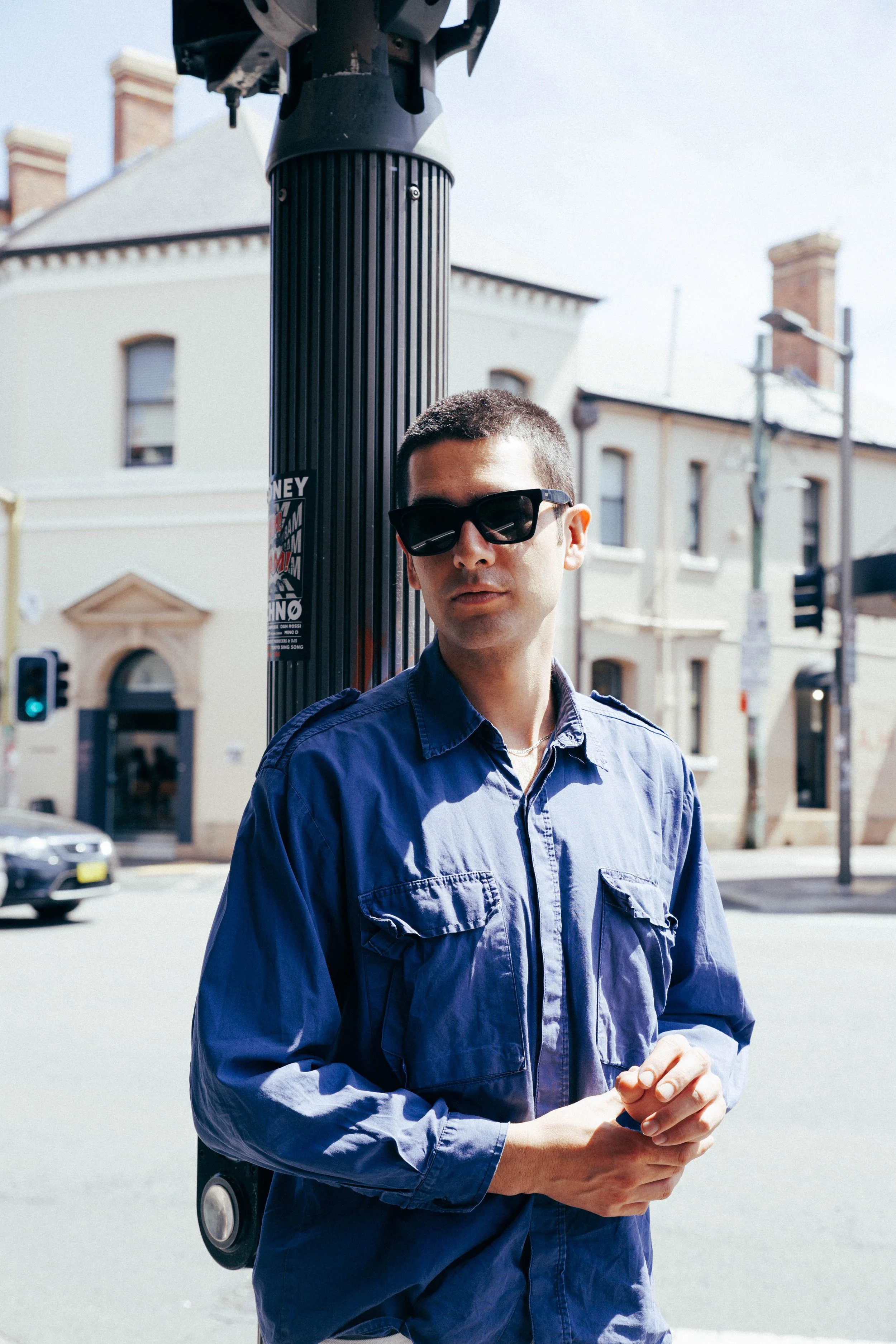
T: You’ve toured with Balu Brigada and opened for Twenty One Pilots. How did that experience impact your confidence as a solo performer?
HF: Playing night after night, especially in big arenas, really builds your confidence. It’s like putting in reps; it becomes second nature. By the end of that tour, performing felt natural. It taught me to be less phased by uncertainty. Anything can happen on stage, and learning to roll with it has been a big lesson. That’s almost what it feels like to work in music in general; your whole life is uncertain. You can't make plans, you don't know what's going to happen. You have hopes and dreams, but at the end of the day, things are out of your hands. Doing a tour like that made me feel more comfortable and used to that kind of lifestyle.
T: You also opened for Bea and her Bizness in Melbourne recently. How was that?
HF: That was great. It was my first Melbourne show. Bea is amazing, so generous and welcoming. Supporting someone like her is a really nice way to ease into playing shows in Australia. Headlining feels very different, so that support slot was a great introduction.
T: Was that one of the first times you played some of the singles live?
HF: Yeah, one of the first. I haven’t played a ton of shows recently, so it was cool to see how people reacted. You can’t really tell how songs will land until you’re in front of a crowd. I found myself scanning faces and body language for reactions. It’s all valuable feedback for when I take the show on the road again.
T: When you’re writing songs, do you think about how they’ll sound live?
HF: I do, yeah. But it depends on the venue. Every space has its own energy. This album feels like a “lean in” record, more intimate and quiet. But I’m about to play a range of venues on this next tour, so I’ll probably learn new things about how the songs work in different settings.
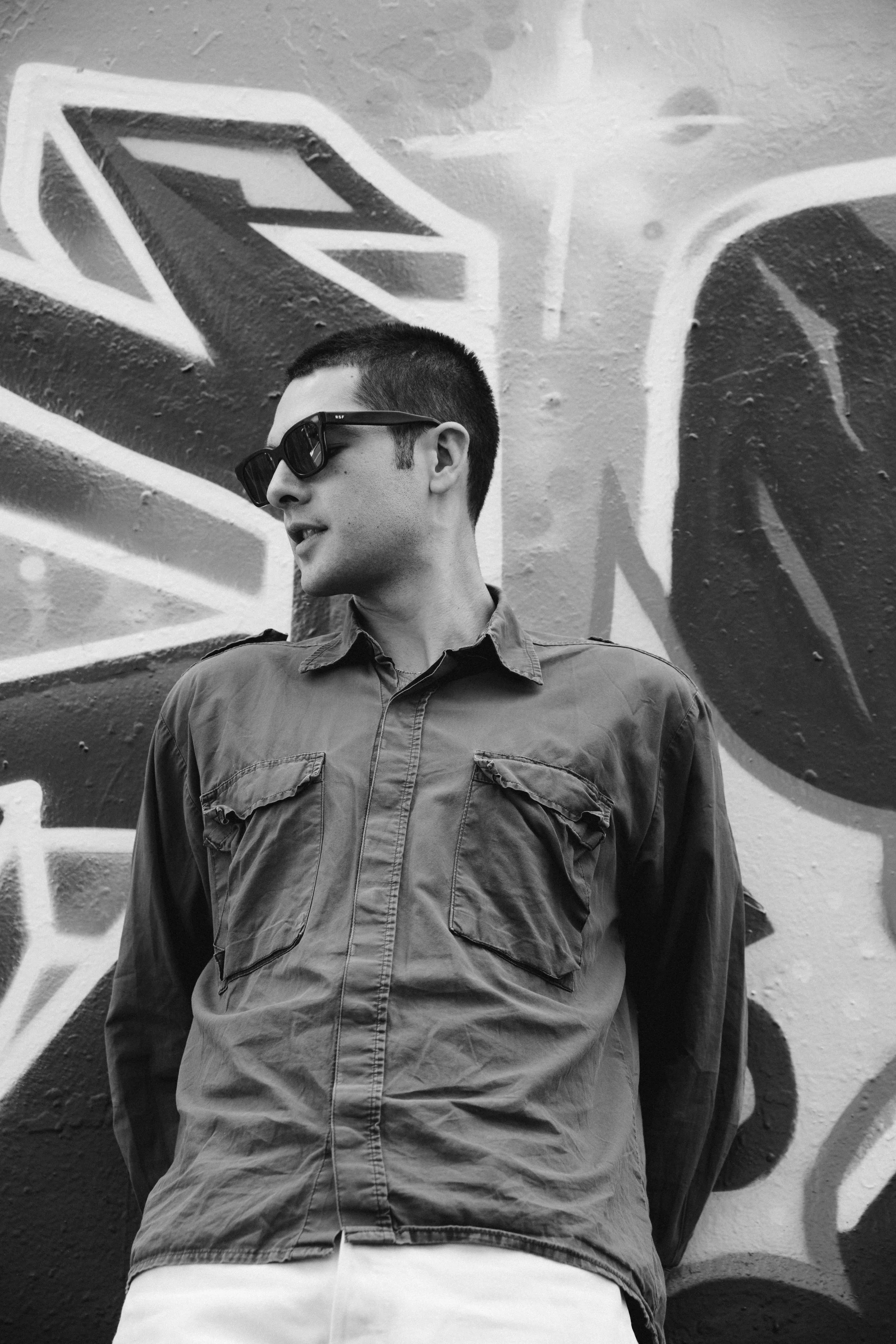
T: What artists influenced this album?
HF: Big Star was a huge influence, along with The Smiths, Morrissey’s solo work, The Clash, The Ramones, Lou Reed, and The Velvet Underground. A lot of the influence came from attitude more than sound. Being in New York, I wanted to use the city as a character throughout the album
T: Were there any non-musical inspirations, like films or books?
HF: Yeah, the French film La Haine from the ’90s was a big one. Also, David Lynch films, Mulholland Drive especially, and Fellini’s films. Those directors have been long-time references for me; I often picture their kind of scenes in my head while making music. For this album, those works were very crucial to my creative process.
T: You’re about to tour North America. Any cities you’re especially excited for?
HF: Funny enough, Columbus, Ohio. We played there on tour with Twenty One Pilots, and the crowd was incredible. It’s got a great young scene because of Ohio State University. I’m also looking forward to Miami, I’ve never been, and it feels like the last big U.S. city I have yet to tick off.
T: Is there anything else you’d like to add?
HT: Just that I hope people find the album in their own way. I want it to feel like something you stumble across and connect with personally, like finding an old treasure in your attic. There’s nostalgia in it, but it’s not stuck in the past. It’s exciting hearing people’s reactions; it’s no longer just mine. I’m really intrigued to see what people think.